
Table of Contents
- Why Michael Stars Alternatives Matter for Your Capsule Wardrobe
-
Top Capsule Wardrobe Alternatives to Michael Stars
- 1. Everlane: Transparent Pricing and Ethical Basics
- 2. Pact: Affordable Organic Cotton Essentials
- 3. Kotn: Farm-to-Fashion Egyptian Cotton
- 4. Vince: Premium Minimalist Investment Pieces
- 5. James Perse: Luxurious Imported Fabrics
- 6. Cuyana: Fewer, Better Philosophy
- 7. Madewell: Vintage-Inspired Timeless Basics
- 8. POP Inc.: High-Quality Relaxed Essentials
- Sustainable Fashion Brands for Capsule Wardrobes
- How to Build a Capsule Wardrobe from Scratch
- Fabric Quality and Longevity: What Separates Alternatives
- Fit, Body Type, and Finding Your Perfect Match
- Care and Maintenance for Long-Lasting Wardrobe Pieces
- Conclusion
Last Updated: August 17, 2026
Why Michael Stars Alternatives Matter for Your Capsule Wardrobe
Building a capsule wardrobe means investing in pieces that work together seamlessly, minimizing waste while maximizing outfit combinations. The challenge isn't finding basics, it's finding the right ones. Michael Stars has dominated this space with relaxed-fit essentials, but exploring alternatives opens doors to brands matching different priorities: sustainable materials, transparent pricing, premium fabrics, or better value.
This guide examines eight strong contenders and shows you how to evaluate them based on fabric composition, fit consistency, price-per-wear calculation, and how pieces integrate into a cohesive wardrobe.
Top Capsule Wardrobe Alternatives to Michael Stars
When evaluating capsule wardrobe alternatives, you're comparing how well each brand's essentials layer together, how long they last, and whether the investment justifies wear frequency. The brands below represent different philosophies, from radical transparency to premium fabrics to organic certification, but all function as legitimate foundation pieces for a minimalist wardrobe.
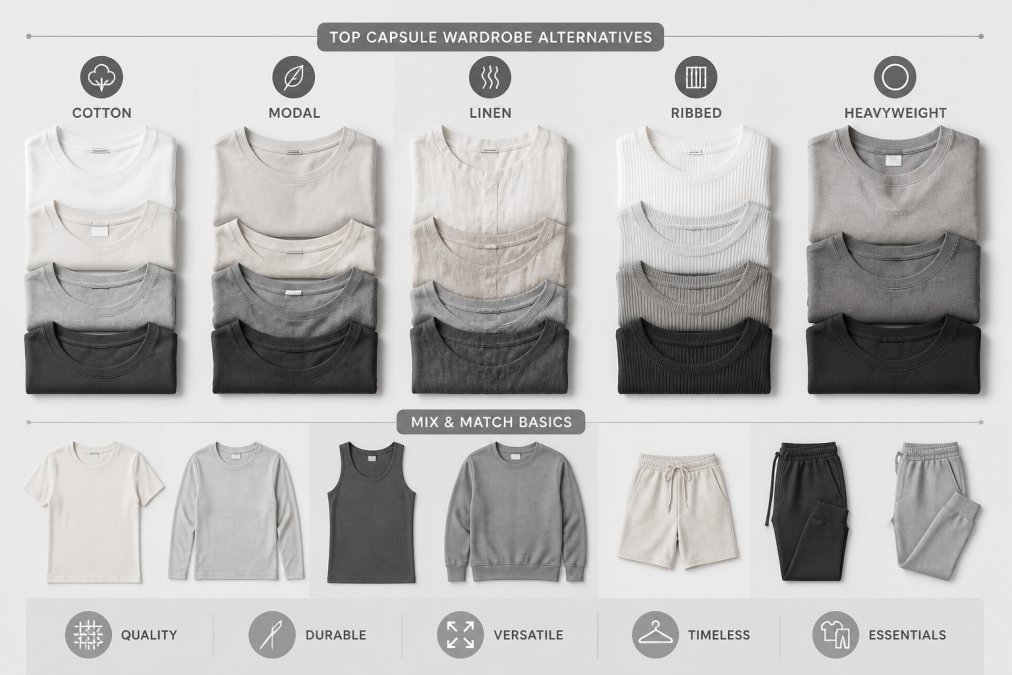
1. Everlane: Transparent Pricing and Ethical Basics
Everlane's defining feature is radical transparency. Every item includes a cost breakdown showing factory location, material cost, labor, and markup. The brand specializes in minimalist basics: tees, sweaters, denim, and outerwear in a neutral palette designed to mix and match. The fit tends toward modern and slightly fitted, working well for layering.
Pros: Exceptional transparency; high-quality, durable materials; versatile, timeless designs; frequent sales.
Cons: Some items cost more than fast-fashion alternatives; fit can run slightly narrow; limited size range.
Best for: Conscious consumers who value knowing where their clothing comes from and want straightforward, well-made basics.
2. Pact: Affordable Organic Cotton Essentials
Pact specializes in GOTS-certified organic cotton basics at prices undercutting most premium alternatives. All garments use sustainably grown cotton, fair-trade certified factories, and non-toxic dyes. The collection includes tees, underwear, sleepwear, and athleisure with a relaxed silhouette. The fabric softens with washing, signaling durability.
Pros: Affordable pricing for organic and fair-trade products; soft, premium-feeling fabrics; bundle deals reduce per-item cost.
Cons: Some lighter-colored items may be slightly sheer; limited style range; sizing can run large.
Best for: Budget-conscious buyers refusing to compromise on sustainability, seeking certified organic basics.
3. Kotn: Farm-to-Fashion Egyptian Cotton
Kotn operates direct-to-consumer, sourcing sustainably grown Egyptian cotton with minimal markup. Their t-shirts, tops, and sweatpants become wardrobe anchors because they're soft, durable, and designed to last. The brand works directly with Egyptian cotton farmers and invests in education programs for rural communities.
Pros: Soft, long-lasting products that improve with wear; ethical sourcing and production; reasonable pricing for quality; versatile pieces that mix easily.
Cons: Limited style range; sizing information can be unclear; smaller color selection.
Best for: Individuals seeking durable, high-quality cotton basics with ethical focus and transparent supply chain.
4. Vince: Premium Minimalist Investment Pieces
Vince represents the premium tier of capsule wardrobe alternatives. Their pieces use luxurious materials, cashmere, silk, pima cotton, focusing on understated elegance. If you're building a capsule wardrobe where each piece costs more but lasts significantly longer, Vince delivers investment-level quality. The minimalist design philosophy means pieces work across seasons and years.
Pros: Exceptional fabric quality and comfort; sophisticated, versatile designs; durable for long-term wear.
Cons: Higher price point; some pieces require specific care; sizing can run small.
Best for: Those building an elevated capsule wardrobe who prioritize quality over quantity.
5. James Perse: Luxurious Imported Fabrics
James Perse focuses on ultra-soft, imported fabrics and multiple fits accommodating different body types. Their lightweight jersey, high-gauge knits, and sheer slub fabrics feel luxurious without looking formal. Some classic cotton jersey tees are made in the USA. The garment-dyed approach gives pieces a relaxed, worn-in character that improves with wear.
Pros: High-quality, luxurious fabrics; comfortable feel that improves with washing; timeless designs; multiple fit options.
Cons: High price point; some fabrics require careful washing; sizing can be inconsistent.
Best for: Consumers seeking premium, ultra-soft basics with sophisticated yet casual aesthetic.
6. Cuyana: Fewer, Better Philosophy
Cuyana's brand philosophy centers on "Fewer, Better", investing in fewer items of exceptional quality rather than accumulating mediocre pieces. This aligns perfectly with capsule wardrobe thinking. Their t-shirts come in premium fabrics like pima cotton, silk, and micromodal blends, all responsibly sourced and Oeko-Tex certified. The brand intentionally limits their collection, removing decision fatigue.
Pros: Exceptional quality and durability; ethical and sustainable production; timeless designs; curated collection makes mix-and-match easier.
Cons: Higher price point; some items require specific care; limited style and color range.
Best for: Individuals prioritizing high-quality, long-lasting, ethically made pieces for a minimalist wardrobe.
7. Madewell: Vintage-Inspired Timeless Basics
Madewell excels at creating basics with a slightly vintage, Americana aesthetic. Their slouchy tees, cozy sweaters, and effortless button-downs feel both current and classic. The fit tends toward relaxed but not oversized, working for various body types. Quality fabrics designed to last mean pieces improve with age.
Pros: High-quality, durable materials; versatile pieces that are both current and classic; strong emphasis on well-fitting basics and denim.
Cons: Can be pricier than fast-fashion alternatives; sizing can be inconsistent; some items may shrink slightly.
Best for: Those appreciating classic, easy-to-style pieces with slightly youthful, Americana vibe.
8. POP Inc.: High-Quality Relaxed Essentials
POP Inc. provides essential apparel focused on high-quality, relaxed t-shirts for everyday comfort and style. The collection offers versatile unisex and women's relaxed fit options serving as timeless staples. The relaxed fit addresses a real problem: oversized pieces that look sloppy versus fitted pieces that restrict movement.
Pros: Unisex and women's relaxed fit options accommodate different body types; straightforward, functional design prioritizes wearability; high-quality construction.
Cons: Smaller brand means less name recognition; limited color and style range; relaxed fit may not appeal to those preferring structured silhouettes.
Best for: Minimalist fashion enthusiasts and busy professionals seeking comfortable, versatile apparel prioritizing enduring design.
Sustainable Fashion Brands for Capsule Wardrobes
Sustainability has become central to capsule wardrobe philosophy. Building fewer, better pieces inherently reduces consumption, but choosing brands prioritizing environmental and social responsibility amplifies that impact. Pact, Kotn, Everlane, and Cuyana all integrate sustainability into core operations.
When evaluating sustainable brands, consider three factors: material sourcing (organic, regenerative, or recycled), production practices (fair wages, safe conditions, transparent supply chains), and longevity (will pieces last multiple years). A brand scoring high on all three justifies premium pricing because cost per wear decreases significantly over time.
How to Build a Capsule Wardrobe from Scratch
Building a capsule wardrobe requires intention. You're shopping for cohesion, not variety. The goal is selecting pieces that work together across multiple seasons and styling contexts.
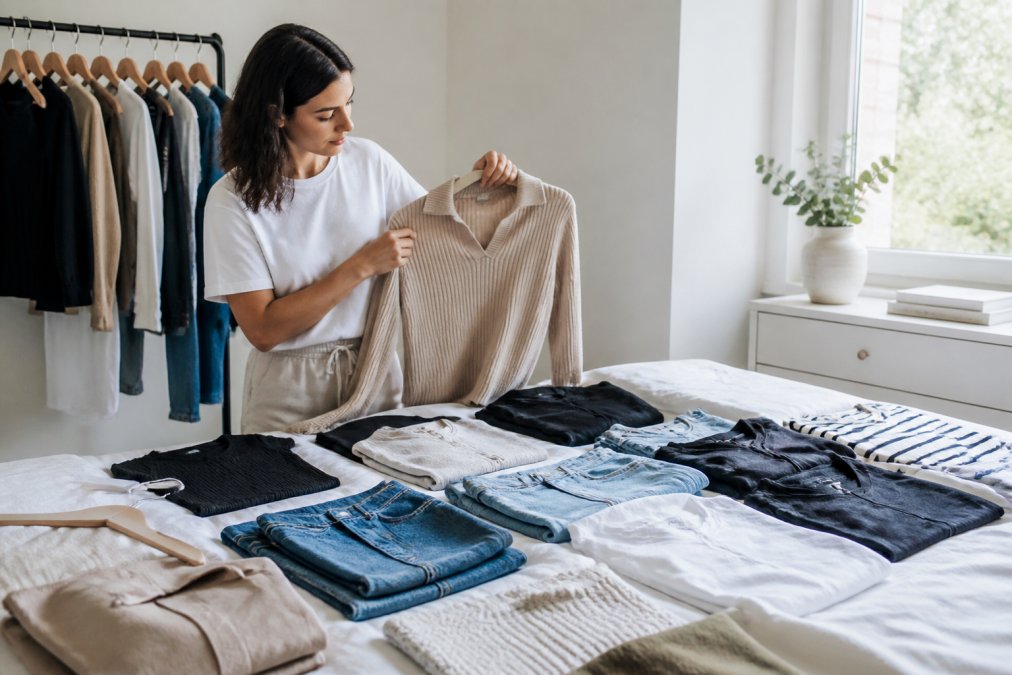
Step 1: Define Your Neutral Palette
Start by choosing 2-3 neutral base colors that work with your skin tone and existing pieces. Most capsule wardrobes center on black, white, gray, navy, or beige. Consistency is key: if you choose navy, commit to navy across all brands and seasons. Neutrals form your foundation because they combine infinitely.
Step 2: Invest in Foundation Pieces
Foundation pieces are items you'll wear most frequently and that anchor outfit combinations. For most people, these include:
- 3-5 basic t-shirts in your neutral palette
- 2-3 long-sleeve shirts or lightweight sweaters
- 1-2 pairs of well-fitting jeans or trousers
- 1 neutral blazer or structured jacket
- 1-2 sweaters in neutral or complementary tones
- Basic underwear and socks in neutral colors
Quality matters more than quantity. A single high-quality t-shirt worn twice weekly for two years delivers better value than five cheap t-shirts worn once before pilling or fading.
Step 3: Calculate Price-Per-Wear
Price-per-wear is the most useful metric for evaluating capsule wardrobe investments. Divide the item's cost by the number of times you'll realistically wear it over its lifespan. A $100 t-shirt worn twice weekly for two years (208 wears) costs $0.48 per wear. This framework removes sticker-shock from premium basics.
Step 4: Test Mix-and-Match Combinations
Before committing to a full capsule, test whether pieces actually combine as intended. Lay out potential combinations and photograph them. This reveals gaps and confirms strengths. Many capsule wardrobe failures happen because buyers skip this step.
Fabric Quality and Longevity: What Separates Alternatives
Not all t-shirts are created equal. The difference between a piece lasting one season and one lasting five years comes down to fabric composition, weave construction, and finishing processes.
Cotton quality matters. Pima and Supima cotton have longer fibers than standard cotton, creating smoother, stronger fabric that resists pilling. Egyptian cotton similarly uses longer fibers, explaining why Kotn emphasizes this material.
Weave construction determines durability. A single-ply jersey shows wear quickly. A double-ply jersey or knit with higher thread count resists pilling and maintains shape. Brands like James Perse and Vince invest in higher-quality knits that feel substantial and last longer.
Finishing processes affect longevity. Garment-dyed pieces often fade evenly and develop character over time. Preshrinking prevents surprise shrinkage that ruins fit. Enzyme washing removes surface fibers that would otherwise pill.
When comparing alternatives, examine fabric weight, fiber content, and construction details. Heavier weight generally means more durable fabric.
Fit, Body Type, and Finding Your Perfect Match
The relaxed-fit aesthetic defining modern basics creates variation: one brand's "relaxed" means oversized and sloppy; another's means slightly loose through the torso with fitted shoulders. For capsule wardrobe building, this variation matters because pieces need to work together visually.
Test fit before committing. Most alternatives offer free returns, making it low-risk to order multiple sizes and silhouettes.
Consider your body type. Oversized pieces work well for some body types and overwhelm others. Petite individuals may find relaxed-fit pieces swallow them entirely. Brands like James Perse and POP Inc. offer multiple fits specifically addressing this variation.
Layering capacity matters. A piece fitting perfectly alone might be too tight when layered under a sweater. Test layering combinations before finalizing your capsule.
Care and Maintenance for Long-Lasting Wardrobe Pieces
Building a capsule wardrobe is half the work. Maintaining pieces so they last years rather than months is the other half. Proper care extends longevity dramatically.
Wash in cold water. Hot water breaks down fabric fibers and causes fading. Cold water cleans effectively while preserving color and structure.
Use gentle detergent. Harsh chemicals damage fibers and cause pilling. Gentle, pH-balanced detergents clean without degrading fabric.
Air dry when possible. Machine drying creates friction causing pilling and shrinkage. Air drying preserves fit and appearance.
Fold rather than hang. Heavy knits and t-shirts stretched on hangers develop shoulder bumps and lose shape. Folding preserves structure.
Address stains immediately. Fresh stains come out more easily than set-in ones. Treat before washing using gentle methods for delicate fabrics.
Pill carefully. Use a fabric shaver designed for this purpose rather than picking pills individually.
| Care Practice | Frequency | Impact on Longevity |
|---|---|---|
| Washing in cold water | Every wash | Prevents fading and fiber breakdown |
| Air drying | Every wash | Prevents shrinkage and pilling |
| Treating stains immediately | As needed | Prevents permanent discoloration |
| Folding rather than hanging | Always | Maintains shape and prevents deformation |
| Using gentle detergent | Every wash | Reduces fiber damage |
| Fabric shaving for pills | As needed | Restores appearance without damaging fabric |
Building a capsule wardrobe means choosing quality over quantity, investing in pieces that work together, and committing to care practices that extend longevity. The alternatives to Michael Stars outlined here each offer different strengths: Everlane's transparency, Pact's affordability, Vince's luxury, and POP Inc.'s functional relaxed fit. Your choice depends on what matters most: sustainability, price, premium materials, or straightforward quality.
The real advantage of exploring capsule wardrobe alternatives is discovering what actually works for your body, lifestyle, and values. Start with foundation pieces from one or two brands. Test mix-and-match combinations. Calculate price-per-wear to justify the investment. Commit to care practices that extend longevity. This framework works regardless of which alternatives you choose. All the brands listed here deliver on quality, versatility, and the core promise of capsule wardrobe building: fewer pieces, worn more often, lasting longer.
Frequently Asked Questions
What makes a good capsule wardrobe alternative to Michael Stars?
A solid capsule wardrobe alternative offers high-quality fabrics that resist pilling and stretching, versatile neutral pieces that mix and match easily, and transparent information about construction and materials. Look for brands emphasizing durability, fit consistency across sizes, and timeless design over trends. The best alternatives balance quality construction with accessible pricing and provide detailed fabric composition so you understand what you're investing in.
How do I build a capsule wardrobe from scratch with these alternatives?
Start by selecting 3-5 neutral foundation colors (black, white, gray, navy, beige). Invest in essential pieces: fitted and oversized tees, basic sweaters, neutral pants, and simple layering items. Choose one primary brand or mix 2-3 alternatives based on your budget and values. Build slowly over 2-3 months, testing each piece for fit and versatility before adding more. Aim for pieces that create at least 10-15 different outfit combinations.
Which sustainable fashion brands for capsule wardrobes offer the best value?
Pact and Kotn lead in value for ethical basics, offering GOTS-certified organic cotton and fair-trade practices starting around $24-34 per item. Everlane provides transparency on pricing and production for roughly $40 per item. Cuyana emphasizes quality over quantity with responsibly sourced pieces. For budget-conscious builders, Pact's bundle deals and sales make organic, ethical basics accessible. Premium options like Vince and James Perse cost more upfront but offer exceptional longevity, reducing long-term cost per wear.
How do I know if a relaxed-fit t-shirt will actually fit my body type?
Check the brand's size chart and fit descriptions before ordering. Relaxed fit works best when it skims your body without clinging at shoulders or armpits. If you're petite, oversized pieces may overwhelm your frame; consider brands offering XS or petite sizing. For broader shoulders, ensure the armhole sits properly. Read customer reviews mentioning your body type. Most quality alternatives offer free returns, so order multiple sizes to test fit. Pay attention to fabric weight and composition, as heavier fabrics drape better on most body types than lightweight materials.
What's the difference between Michael Stars and these alternatives in terms of durability?
Michael Stars is known for soft, durable basics, but alternatives offer distinct advantages. Pact and Kotn use certified organic cotton that softens with washing rather than pilling. Vince and James Perse use premium imported fabrics engineered for longevity. Everlane and Cuyana emphasize quality construction and ethical production. The key difference is transparency: alternatives provide detailed fabric composition, production location, and care instructions upfront. Many customers report alternatives lasting 3-5 years with proper care, comparable to Michael Stars but with better sustainability credentials.
This article was written using GrandRanker