
Table of Contents
- Start With a Wardrobe Audit and Declutter
- How to Identify High-Quality Fabrics That Last
- Define Your Neutral Palette and Core Essentials
- Cost Per Wear Calculation Guide for Smart Shopping
- Build Versatile Outfits Around Your Lifestyle
- Clothing Maintenance Tips for Longevity
- Sustainable Shopping Habits and Seasonal Transitions
- Conclusion
Last Updated: August 12, 2026
Start With a Wardrobe Audit and Declutter
Building a durable capsule wardrobe begins with ruthless honesty about what you actually own and wear. Pull everything from your closet and lay items on a clean surface where you can see them all at once. This reveals patterns: How many similar pieces do you have? What colors dominate? Which items haven't been worn in a year?
Create three piles: keep, donate, and repair. The keep pile should contain only pieces you've worn in the last year and genuinely like wearing. Be honest about fit, a shirt that doesn't sit right won't suddenly feel better just because it's expensive. Donate items in good condition that don't serve you. The repair pile is crucial: items worth mending (missing buttons, small tears, loose hems) should go to a tailor or get fixed at home.
Once decluttered, you'll have a clearer picture of gaps in your collection. This is where intentional shopping begins. At POP Inc., we believe this foundation matters because building on clutter creates a wardrobe that never quite works together.
How to Identify High-Quality Fabrics That Last
High-quality fabrics are the backbone of a durable capsule wardrobe. Without understanding what makes certain materials last, you'll end up replacing pieces frequently.
Start with fiber content. Natural fibers like cotton, linen, and wool have proven longevity when properly cared for. Long-staple cotton varieties like Pima or Egyptian cotton resist pilling and maintain softness through many wash cycles. Linen becomes softer with age and washing, making it an investment fabric. Wool provides natural temperature regulation and durability, though it requires specific care.
Synthetic blends have their place too. A small percentage of polyester or elastane (5-15%) adds stretch and recovery to natural fibers without compromising breathability. High synthetic content often signals fast-fashion construction rather than durability.
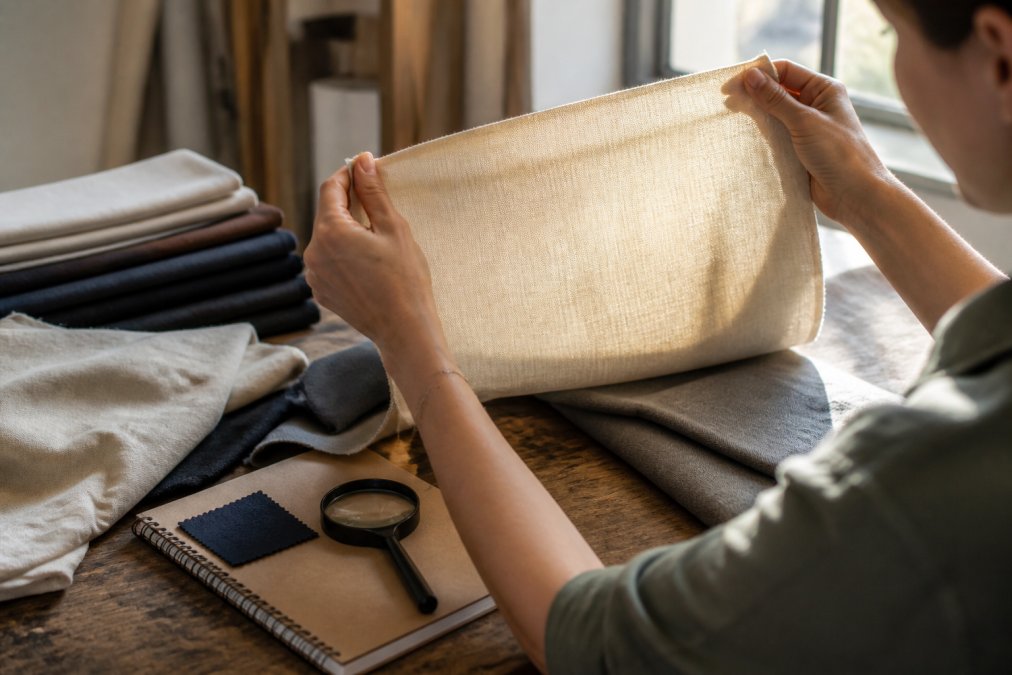
Check the weight and density of fabric by feel. Quality pieces have substantial weight and don't feel thin or flimsy. Tightly woven fabrics with consistent texture suggest careful manufacturing. Loose weaves, pilling, or uneven surfaces indicate lower quality.
Look at seams closely. Quality construction means seams are straight, stitching is tight with no loose threads, and seams lie flat without puckering. Interior seams should be finished (bound or serged), not raw.
Thread count matters for woven fabrics like cotton. Higher thread counts (400-600) indicate tighter weaves and greater durability. Above 600 threads per inch, you're often paying for marketing rather than actual quality improvement.
Pay attention to how a garment feels against your skin. Quality fabrics have a smooth finish without static or uncomfortable texture and breathe naturally.
Define Your Neutral Palette and Core Essentials
A neutral palette forms the foundation of a functional durable capsule wardrobe. Choose three neutral base colors that complement your skin tone and personal preference: black, navy, white, cream, gray, beige, or brown. These should be colors you naturally gravitate toward and feel confident wearing.
Within your neutral palette, choose 2-3 accent colors that feel fresh but still coordinate. Soft olive, warm camel, or dusty blue work well as secondary colors that add interest without requiring constant mixing and matching.
Core essentials form the backbone of your capsule:
- Neutral t-shirts in your base colors (short-sleeve and long-sleeve)
- Well-fitting jeans in at least two washes (dark and lighter)
- Neutral sweater or cardigan for layering
- White button-down shirt
- Basic tank top or undershirt
- Neutral blazer for professional settings
- Comfortable everyday pants (chinos, joggers, or casual trousers)
At POP Inc., we focus on relaxed-fit t-shirts as essentials because they serve multiple purposes: casual wear, layering base, and foundational pieces that work across body types and lifestyles.
Quality matters most in these core pieces because you'll wear them frequently. A well-made neutral t-shirt worn 100 times over two years costs far less per wear than a trendy piece worn five times.
Cost Per Wear Calculation Guide for Smart Shopping
Understanding cost per wear transforms how you approach shopping for a durable capsule wardrobe. Divide the total cost of an item by the number of times you'll realistically wear it. A $100 shirt worn 100 times costs $1 per wear. A $50 shirt worn 5 times costs $10 per wear. The expensive shirt is actually the better value.
To calculate accurately, be realistic about wearing frequency. Consider your lifestyle: Do you work in an office, work from home, or have an active lifestyle? How often do you attend formal events?
For everyday basics, aim for pieces you'll wear at least 50-75 times over 2-3 years. For seasonal pieces, 20-30 wears over a season is realistic. For occasion wear, even 5-10 wears justifies a higher price point.
| Piece Type | Realistic Wears | Target Cost | Cost-Per-Wear Goal |
|---|---|---|---|
| Everyday t-shirt | 75-100 | $30-60 | $0.40-0.80 |
| Jeans | 50-75 | $60-120 | $0.80-2.40 |
| Sweater/cardigan | 40-60 | $50-100 | $1.25-2.50 |
| Work blazer | 30-50 | $100-200 | $2.00-6.67 |
| Seasonal coat | 20-30 | $150-300 | $5.00-15.00 |
Once you understand cost per wear, you'll make different decisions. That $120 pair of jeans seems expensive until you realize you'll wear them 60 times, that's $2 per wear, cheaper than fast-fashion jeans worn 10 times at $3 per wear.
Before buying, ask: Will I wear this at least X times? If the honest answer is no, skip it.
Build Versatile Outfits Around Your Lifestyle
A durable capsule wardrobe only works if pieces actually coordinate into outfits you'll wear. Start by identifying your lifestyle categories: casual everyday, professional/work, active/exercise, weekend social, and potentially formal occasions. Your capsule pieces should support these contexts without requiring a completely separate wardrobe for each.
For someone working in a casual office, basics that work casual and professional (like neutral sweaters, button-downs, and tailored pants) serve double duty. For someone working from home, comfortable pieces that look intentional matter more than traditional professional wear.
Map outfit combinations before buying new pieces. A white t-shirt becomes five different outfits: worn alone with jeans, layered under a sweater, worn under a blazer, paired with neutral pants, or worn as a base under a jacket. This multiplication of outfits from fewer pieces is the entire point of a capsule.
Consider your body shape when choosing silhouettes. A capsule wardrobe should fit your proportions consistently. If you have a larger chest, oversized silhouettes might feel better than fitted styles. If you're petite, longer pieces might overwhelm you. The goal is pieces that make you feel confident.
Seasonal transitions matter in a capsule approach. As seasons change, you're not buying an entirely new wardrobe, you're layering differently. A neutral t-shirt works year-round: alone in summer, under sweaters in spring and fall, under coats in winter.
At POP Inc., we design relaxed-fit t-shirts that work across seasons and body types because versatility is the foundation of a functional capsule.
Clothing Maintenance Tips for Longevity
Quality fabrics only stay durable if you maintain them properly. Poor care ruins even the best pieces, while proper maintenance extends the life of mid-quality items significantly.
Wash in cold water whenever possible; heat damages fibers and causes fading. Separate colors to prevent dye bleeding. Turn pieces inside out before washing to reduce pilling and fading. Use a gentle cycle for delicate fabrics and avoid overloading the machine.
Use gentler detergents designed for delicate fabrics, which clean effectively without aggressive surfactants. Use less detergent than the bottle suggests; excess soap that doesn't rinse out accumulates and weakens fibers.
Air drying is best for longevity. Hang items on a drying rack or clothesline. If you must use a dryer, use low heat and remove items while slightly damp. High heat damages elastic, shrinks fabrics, and accelerates wear.
Pilling is common with natural fibers. A fabric shaver removes pills without damaging the garment. Regular pilling maintenance keeps pieces looking newer longer.
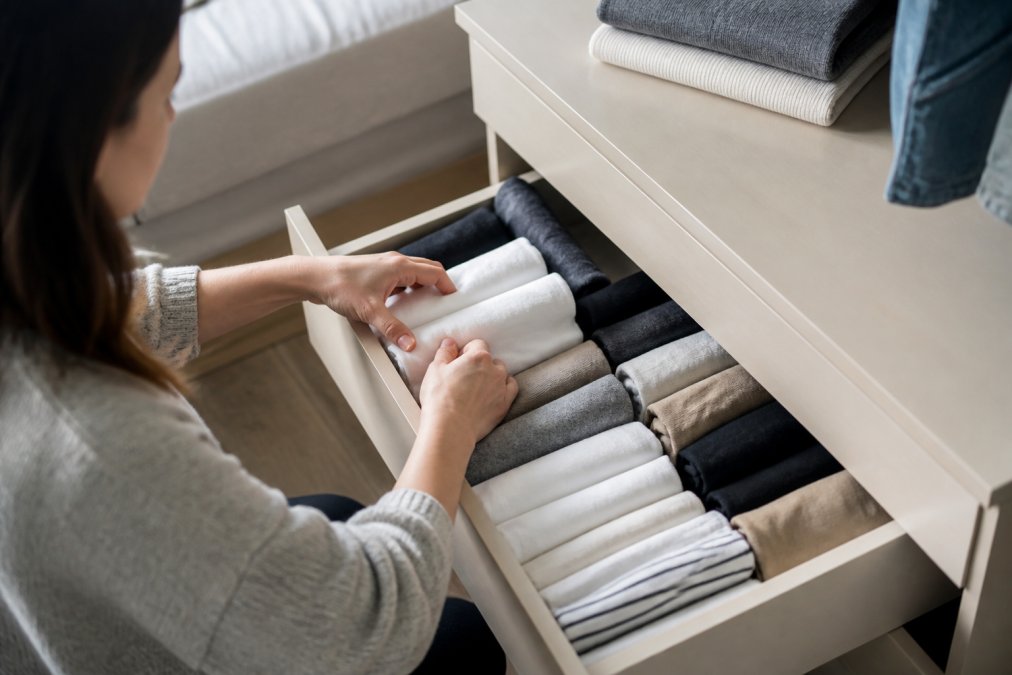
Storage matters significantly. Fold heavy pieces like sweaters and t-shirts rather than hanging them, which causes stretching. Hang only structured pieces like blazers and button-downs. Store in a cool, dry place away from direct sunlight. Cedar blocks or lavender sachets provide natural moth protection.
Spot clean spills immediately by blotting rather than rubbing. Treat stains with appropriate solutions before washing; dried stains are nearly impossible to remove.
Repair small damage immediately. A loose seam, missing button, or small tear gets worse with wearing and washing. Quick repairs take 10 minutes and extend garment life by years.
Sustainable Shopping Habits and Seasonal Transitions
Building a durable capsule wardrobe is inherently sustainable, you're buying less, choosing quality over quantity, and keeping pieces longer. Intentional shopping habits amplify this impact.
Adopt a shopping pause before any purchase. Wait 30 days between wanting something and buying it. This eliminates impulse purchases and reveals whether you actually need the piece or just liked it in the moment.
Shop your closet first. Before buying anything new, spend time with what you own. Restyle existing pieces and try new combinations. Often, you'll discover pieces you forgot about or never properly integrated into your rotation.
When you do shop, buy with intention. Use the cost-per-wear framework. Choose pieces that coordinate with at least three existing items. Prioritize quality over quantity.
For seasonal transitions, you're not replacing your entire wardrobe, you're adjusting layers. Spring and fall are transition seasons. In spring, remove heavy sweaters and coats but keep lighter layers for cool mornings. In fall, add sweaters back and introduce lightweight outerwear. Winter and summer are more straightforward: add heavy outerwear in winter, minimize layers in summer.
The beauty of a neutral palette is that seasonal transitions happen through layering, not color changes. Your core pieces remain the same; you just adjust what goes on top.
Secondhand shopping extends your capsule thoughtfully. Thrift stores and online resale platforms offer quality pieces at a fraction of original cost. For a capsule wardrobe, buying secondhand basics is smart, you can try silhouettes and colors without committing full price.
Research brands before buying. Some companies are transparent about manufacturing, materials sourcing, and durability claims. Look for third-party certifications like Fair Trade or B Corp status which verify actual practices rather than marketing language.
At POP Inc., we focus on pieces designed to last because durability is the most sustainable choice. A shirt you wear 100 times is far more sustainable than buying 20 shirts you wear five times each.
Building a durable capsule wardrobe requires patience and intentionality, but the payoff is substantial. You'll spend less money, waste less time deciding what to wear, and feel more confident in clothing that actually fits your life. Start with an honest audit of what you own, invest in quality basics that coordinate, and commit to care that extends garment life. With POP Inc.'s focus on high-quality, versatile essentials, you have the foundation to build a wardrobe that works for years, not seasons.
Frequently Asked Questions
What are the essential items for a durable capsule wardrobe?
A durable capsule wardrobe foundation includes neutral basics: quality t-shirts, well-fitting jeans, plain sweaters, and simple layering pieces. Add tailored trousers, a blazer, and neutral outerwear. The key is choosing investment pieces in timeless silhouettes that work across seasons and occasions. Focus on versatility so each item pairs with multiple others, maximizing outfit combinations while minimizing the total number of pieces you own.
How do you choose high-quality fabrics that last?
Look for natural fibers like cotton, linen, and wool, or quality blends with high natural fiber content. Check fabric weight and density by holding it up to light, denser fabrics resist pilling and wear longer. Read fiber composition labels; 100% cotton or cotton-blend basics outperform synthetic alternatives. Examine seams and stitching carefully. Higher thread counts in cotton and tightly woven fabrics signal durability. Feel the fabric; quality pieces have a substantial, smooth hand rather than a thin or slippery texture.
How many items should be in a durable capsule wardrobe for 2026?
A functional capsule typically contains 25-40 pieces, though the exact number depends on your lifestyle and climate. Start with 5-7 neutral basics, add 3-4 layering pieces, include 2-3 bottoms, one or two outerwear options, and a few statement pieces. Quality matters more than quantity; fewer well-made items that you actually wear provide better value than a closet full of pieces you avoid. Build gradually, adding pieces only when they serve multiple outfits.
How do I maintain my clothes to ensure they last longer?
Wash garments inside out in cold water to preserve color and reduce pilling. Use gentle detergent and avoid fabric softener, which breaks down fibers over time. Air dry whenever possible; heat from dryers damages fabric and causes shrinkage. Fold rather than hang heavier knits to prevent stretching. Repair small issues immediately, a loose seam or small hole is easier to fix than a major tear. Store clothes in cool, dry spaces away from direct sunlight to prevent fading and deterioration.
Is a capsule wardrobe cost-effective in the long run?
Yes. Though quality pieces cost more upfront, cost-per-wear calculations show significant savings over time. A $100 t-shirt worn 200 times costs $0.50 per wear, while a $15 fast-fashion shirt worn 20 times costs $0.75 per wear. Quality garments last 2-3 years or longer with proper care, while cheap alternatives often deteriorate within months. You also save on impulse purchases, storage space, and the environmental cost of constant replacement. Building slowly with durable pieces reduces total spending while improving your actual wardrobe satisfaction.
What's the difference between a durable capsule wardrobe and fast fashion?
A durable capsule wardrobe prioritizes timeless pieces in neutral colors made from quality fabrics designed to last years. Fast fashion chases trends with cheap construction, synthetic materials, and poor durability, pieces often deteriorate after a few wears. Capsule wardrobes emphasize versatility and layering; fast fashion encourages constant buying. Capsule pieces work together across seasons; fast fashion creates seasonal clutter. The capsule approach is sustainable and economical; fast fashion wastes money and resources through constant replacement cycles.
How do I know if a relaxed fit t-shirt will actually work for my body type?
Relaxed fit should skim your body without clinging or billowing. Check that shoulders align with your natural shoulder line, oversized shoulders indicate the garment is too large. The sleeve should reach mid-bicep without excess fabric bunching. Look for structured fabrics that hold their shape rather than stretchy materials that sag or cling. Read detailed fit descriptions and customer reviews mentioning body types similar to yours. Many brands, including POP Inc., provide specific fit guidance for different body shapes to help you choose the right size and silhouette.
How do I build a capsule wardrobe that transitions between casual and work-appropriate?
Choose neutral basics that work in both contexts: quality t-shirts, simple sweaters, and plain bottoms form the foundation. Add layering pieces like cardigans and blazers that elevate casual basics for professional settings. Select silhouettes that are neither too fitted nor too loose, tailored relaxed fits work across both environments. Invest in neutral outerwear and simple accessories that function in multiple contexts. This strategy maximizes outfit combinations from fewer pieces, allowing one wardrobe to serve your entire lifestyle without separate casual and work sections.
This article was written using GrandRanker