
Table of Contents
- Why Fit Matters More Than Size
- T-Shirt Shoulder Seam Placement: The Foundation of Fit
- Checking Sleeve Length and Bicep Circumference
- Collar Fit and the Two-Finger Rule
- Torso, Waist, and Chest Fit
- T-Shirt Length Guide: Where Your Hem Should Fall
- Signs a Shirt Is Too Small: Common Fit Problems
- How Fabric Type Changes Fit Expectations
Last Updated: August 23, 2026
Why Fit Matters More Than Size
Most people buy shirts based on the label size they've always worn, then discover it doesn't fit right. The problem isn't the size number, it's that size is meaningless without understanding how a shirt actually fits your specific body.
According to research from My Green Closet's 2024 body measurement study, only 23% of people wear the same letter size across their three key measurements (bust, waist, hips). This means at least 77% of people are wearing something that doesn't fit properly across all dimensions.
Wearing well-fitted clothing boosts self-confidence by up to 30%, according to research from selvane's 2026 psychology of fit study. Better confidence translates to better posture, clearer communication, and how others perceive you. Additionally, approximately 40% of online purchases are returned, with incorrect sizing being the most common reason (peer-reviewed research).
Learning to evaluate how a shirt fits right isn't about finding one perfect size. It's about understanding the specific points where fabric should sit on your body, recognizing what proper tension looks like, and knowing which fit problems are fixable.
T-Shirt Shoulder Seam Placement: The Foundation of Fit
The shoulder seam is the single most reliable indicator of whether a shirt fits right. This is where the front and back panels meet at your shoulders, and its placement determines everything else about how the garment will drape.
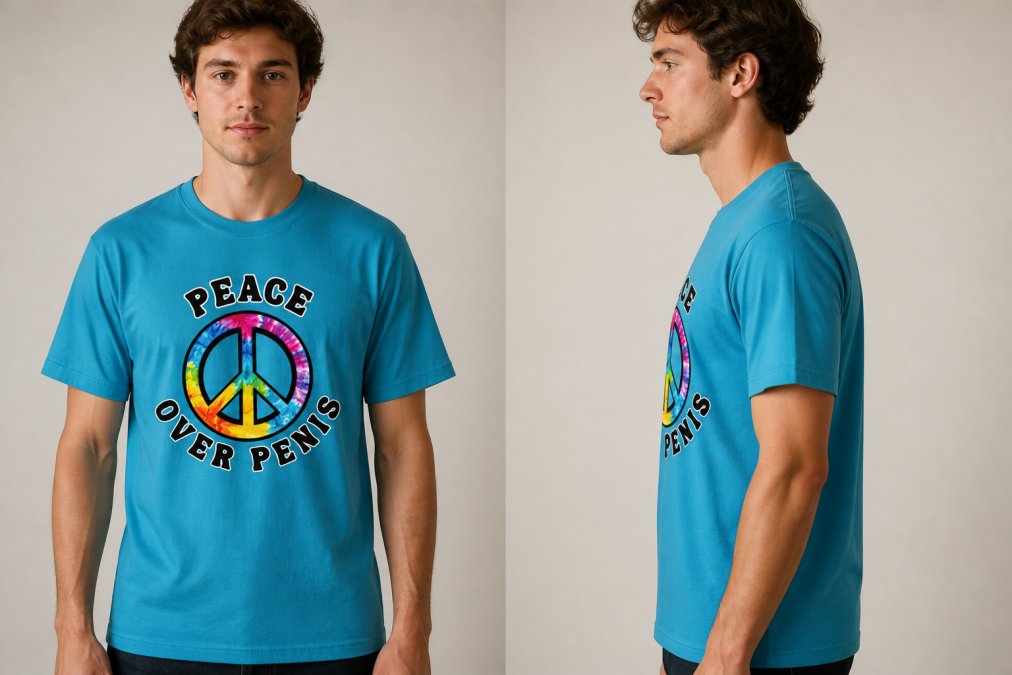
A properly fitted shoulder seam should sit right at the point where your shoulder bone ends, the outer edge of your shoulder where your arm begins. You can find this point by reaching your arm across your chest and feeling where the bone ends. The seam should align with that exact spot, not extend past it onto your upper arm.
When the shoulder seam is positioned correctly, the rest of the shirt's proportions follow naturally. The armhole sits in the right place, the sleeve hangs at the correct angle, and the overall silhouette looks intentional. When the seam is misaligned, it creates fit problems that no amount of tailoring can fully fix.
For relaxed-fit t-shirts like those from POP Inc., the shoulder seam remains the critical reference point even though the overall fit is intentionally loose. A relaxed fit means the body has more room, but the structural seams should still sit in their proper places.
Standing in front of a mirror, the shoulder seam should create a clean vertical line from where your arm meets your torso. A curved or wrinkled seam indicates the shirt is too small or too large in the shoulders.
Checking Sleeve Length and Bicep Circumference
Sleeve length and bicep fit work together to determine whether your arms have proper range of motion and whether the shirt looks proportional.
When your arms hang naturally at your sides, the sleeve should end between your wrist bone and the base of your thumb. A sleeve that's too long makes your arms look shorter and bunches at your wrist. A sleeve that's too short makes your proportions look off and can restrict shoulder movement.
Bicep circumference is the measurement around the fullest part of your upper arm, and it determines how much room you have in the sleeve. A sleeve with proper bicep fit should allow you to raise your arm overhead without the fabric pulling tight. When you bend your elbow, there should be enough room that the fabric doesn't bunch or create horizontal pulling lines.
For relaxed-fit t-shirts, bicep fit is slightly more generous than in tailored styles, but the sleeve should still feel comfortable when you move your arm. Stand with your arms at your sides, then raise them to shoulder height. The fabric should move with your arm, not pull or wrinkle excessively.
Collar Fit and the Two-Finger Rule
The collar is where many people first notice a shirt doesn't fit right. For crew neck t-shirts, proper collar fit means the neckline sits snugly but not tightly against your neck.
The two-finger rule is the practical test: you should be able to fit two fingers comfortably between the collar and your neck when the shirt is buttoned or pulled over your head. This gives you enough room to breathe and move without feeling restrictive, but it's snug enough that the shirt doesn't gape.
If you can't fit two fingers, the collar is too tight and creates visible strain lines. If you can fit more than two fingers comfortably, the collar is too loose and creates an unflattering gap.
For crew neck t-shirts, the collar should sit at the base of your neck, not higher up on your throat or lower on your chest. The neckline should create a balanced frame for your face and shoulders.
The collar also connects to shoulder fit. If your shoulder seams are positioned correctly but your collar feels wrong, it usually means the shirt is slightly too small or too large in the shoulders, which affects how the neckline sits.
Torso, Waist, and Chest Fit
The body of the shirt is where relaxed fit becomes relevant. Unlike tailored garments, relaxed-fit t-shirts intentionally have more room through the torso and waist. The question is whether that excess is proportional and intentional.
Chest fit should allow you to move your arms freely without the fabric pulling across your chest. When you reach your arms forward or across your body, the fabric should move with you. Horizontal pulling lines across your chest indicate the shirt is too small. Vertical fabric folds are normal in relaxed fit; bunching concentrated at the sides or under the arms indicates the shirt is too large.
The waist of the shirt should sit at your natural waist, the narrowest part of your torso. The shirt shouldn't cling in a relaxed fit, but it shouldn't be so loose that it looks like a tent either.
The torso length is equally important. The shirt should cover your torso without excess length pooling at your hips. When you stand with your arms at your sides, the hem should fall somewhere between your hip bone and mid-hip. If the shirt extends well past your hips, it's too long. If it ends right at your hip bone, it's appropriately proportioned.
T-Shirt Length Guide: Where Your Hem Should Fall
The hem length determines the overall proportion of the shirt on your body. For a relaxed-fit t-shirt, the hem should fall between your hip bone and the top of your hip curve, roughly at mid-hip level.
This placement creates a balanced proportion between your torso and legs. A hem that falls too short can make your legs look shorter and creates an awkward proportion. A hem that falls too long overwhelms your frame and can look sloppy.
The hem length also determines how the shirt sits when you're moving. If the hem is too long, it will shift around as you walk. If it's too short, you may have trouble tucking it in if you want to wear it that way.
Stand in front of a mirror with your arms at your sides. The hem should create a clean horizontal line across your hips. If the hem curves upward at the sides or dips downward in the center, the shirt may have uneven shrinkage or uneven cutting.
Signs a Shirt Is Too Small: Common Fit Problems
Knowing what doesn't fit is just as important as knowing what does. These warning signs indicate a shirt is too small and won't work for you.
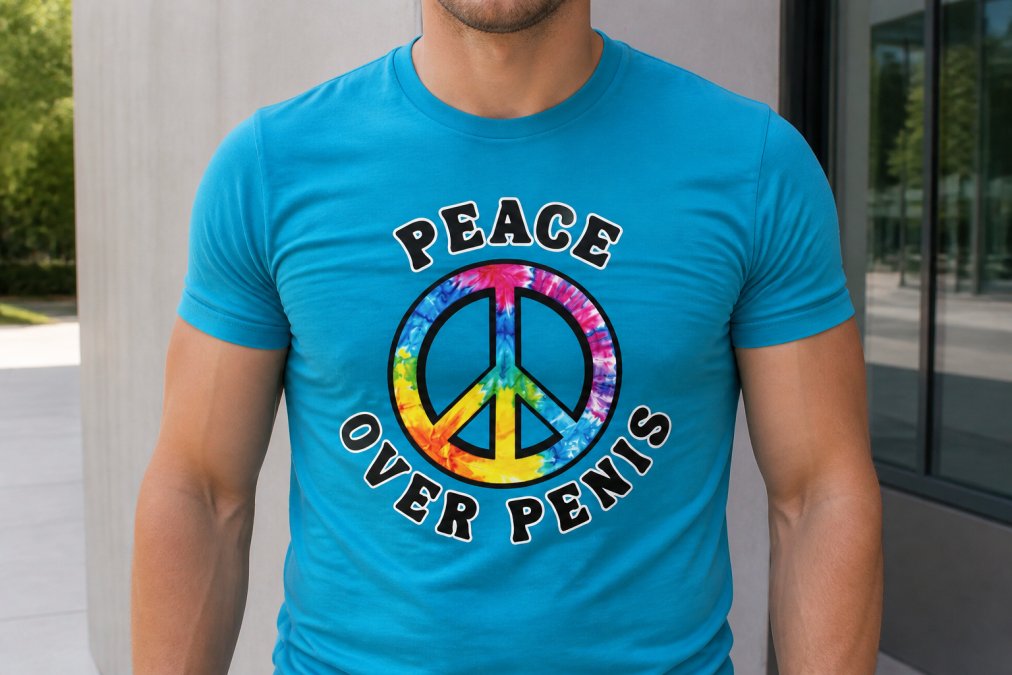
Horizontal pulling lines across the chest are the most obvious sign. When you see these lines, the shirt is fighting against your body width. The fabric is stretched tight, which not only looks unflattering but also puts stress on the seams and fabric itself.
Bunching at the armpits is another clear indicator. If the fabric gathers or wrinkles in the armpit area, especially when you lower your arms, the shirt is too small in the shoulders or biceps. This creates discomfort and restricts your range of motion.
Strain at the shoulder seams is a serious problem. If you can see the seam pulling tight or if the seam itself is puckered, the shirt is too small in the shoulders. This is one of the few fit problems that's nearly impossible to fix.
Vertical wrinkles radiating from the center of your chest indicate the shirt is too tight across the chest and bust. Unlike the even vertical folds of a properly relaxed fit, these wrinkles are concentrated and look strained.
If you can't comfortably raise your arms to shoulder height without the shirt pulling tight, the shirt is too small in the shoulders, biceps, or chest. You shouldn't have to think about how you move when wearing a t-shirt.
How Fabric Type Changes Fit Expectations
The fabric composition and weight dramatically affect how a shirt fits and how you should evaluate it. A lightweight cotton shirt fits differently than a heavier one, and a fabric with stretch behaves differently than a rigid one.
Cotton weight is measured in ounces per square yard. Lightweight cotton (3.5-4.0 oz) drapes more fluidly and shows your body shape more clearly. Heavier cotton (5.0-6.0 oz) holds its shape better and provides more structure, which can hide minor fit issues.
POP Inc.'s unisex t-shirt uses 4.2 oz. combed and ring-spun cotton, which is mid-range. This weight provides enough structure to maintain its shape while still draping naturally. The fabric will show your silhouette without clinging excessively.

The Creator 2.0 vintage t-shirt from POP Inc. uses a heavier 5.6 oz. organic cotton, which holds its shape more firmly and shows less of your body contour. This heavier fabric is more forgiving of minor fit issues and creates a more structured, intentional look.
Fabric composition affects stretch and recovery. Pure cotton has minimal stretch and relies on the cut of the shirt to accommodate your body shape. Cotton blends with elastane or polyester have more give, which can make a slightly snug shirt wearable but can also mask poor fit.
Pre-shrunk fabric, like what POP Inc. uses, should maintain its fit through multiple washes. A 100% cotton shirt may shrink slightly even if pre-shrunk, especially in the length. A shirt with polyester content will maintain its shape more consistently.
When evaluating fit, account for the specific fabric you're examining. A slightly loose fit in a lightweight 4.2 oz. cotton looks intentionally relaxed. The same fit in a 5.6 oz. fabric looks more deliberately oversized. Both can be correct fits, the difference is in the intended style and how the fabric weight carries that style.
Finding a shirt that fits right isn't about memorizing rules. It's about understanding how fabric should sit on your body and recognizing when something is working versus when it's fighting against your proportions. The shoulder seam is your anchor point. The sleeve length and collar fit are your quick checks. The torso and length complete the picture.
At POP Inc., we've designed our relaxed-fit t-shirts with these fit principles built in. Our Unisex t-shirt offers balanced proportions with enough room for comfort, while our Women's Relaxed T-Shirt provides tailored shaping that still maintains that comfortable, unstudied feel. Both use quality cotton construction that maintains its shape through regular wear. Understanding these specific checkpoints will help you identify whether fit issues stem from the brand, the size, or the cut, and that clarity makes all the difference when building a wardrobe that actually works for your body.

=== FAQ ANSWERS (audit these too, same rules) ===
[1] Q: How do you know if a shirt fits you perfectly? A: A perfectly fitting shirt has shoulder seams that align with your shoulder bone, sleeves that end at your wrist bone, no horizontal pulling or vertical wrinkles across the chest, and a collar that allows two fingers to slip underneath. The shirt tail should reach your hip bone or slightly below. Check that fabric drapes smoothly without bunching at the armpits or waist, and you can move your arms freely without tension.
[2] Q: Should a t-shirt hug your arms or be loose? A: A t-shirt should have a comfortable fit through the bicep, not so tight that it restricts movement or creates horizontal pulling, but not so loose that it looks shapeless. Relaxed fit t-shirts are designed with extra room for comfort and ease of movement. The fabric should rest gently against your arm without tension, and you should be able to pinch about an inch of fabric at the bicep. This balance prevents both restriction and an oversized appearance.
[3] Q: What are signs a shirt is too small? A: A shirt that's too small shows clear warning signs: horizontal pulling or tightness across the chest, shoulders, or waist; vertical wrinkles radiating from buttons or seams; sleeves that cut into your armpits or restrict arm movement; collar gaps or tightness around your neck; and fabric bunching at seams. You may also feel restricted when raising your arms or moving normally. These tension points indicate the shirt doesn't match your body proportions and needs a size up or different fit style.
[4] Q: How should the shoulder seams sit on a well-fitting shirt? A: Shoulder seams should sit directly on top of your shoulder bone, not extending onto your upper arm or pulling inward toward your neck. To find the right placement, stand in front of a mirror and have someone mark where your shoulder bone ends, or use your fingers to locate it yourself. The seam should align with this point. If seams fall too far down your arm, the shirt is too large; if seams pull inward, it's too small. This is the most critical fit indicator for any shirt style.
Frequently Asked Questions
How do you know if a shirt fits you perfectly?
A perfectly fitting shirt has shoulder seams that align with your shoulder bone, sleeves that end at your wrist bone, no horizontal pulling or vertical wrinkles across the chest, and a collar that allows two fingers to slip underneath. The shirt tail should reach your hip bone or slightly below. Check that fabric drapes smoothly without bunching at the armpits or waist, and you can move your arms freely without tension.
Should a t-shirt hug your arms or be loose?
A t-shirt should have a comfortable fit through the bicep, not so tight that it restricts movement or creates horizontal pulling, but not so loose that it looks shapeless. Relaxed fit t-shirts are designed with extra room for comfort and ease of movement. The fabric should rest gently against your arm without tension, and you should be able to pinch about an inch of fabric at the bicep. This balance prevents both restriction and an oversized appearance.
What are signs a shirt is too small?
A shirt that's too small shows clear warning signs: horizontal pulling or tightness across the chest, shoulders, or waist; vertical wrinkles radiating from buttons or seams; sleeves that cut into your armpits or restrict arm movement; collar gaps or tightness around your neck; and fabric bunching at seams. You may also feel restricted when raising your arms or moving normally. These tension points indicate the shirt doesn't match your body proportions and needs a size up or different fit style.
How should the shoulder seams sit on a well-fitting shirt?
Shoulder seams should sit directly on top of your shoulder bone, not extending onto your upper arm or pulling inward toward your neck. To find the right placement, stand in front of a mirror and have someone mark where your shoulder bone ends, or use your fingers to locate it yourself. The seam should align with this point. If seams fall too far down your arm, the shirt is too large; if seams pull inward, it's too small. This is the most critical fit indicator for any shirt style.
This article was written using GrandRanker